Contact the team

Ensure Your Mission-Critical

Operations Stay Up 24/7

Experience our top-tier power and cooling solutions designed specifically for ANZ & the Pacific Region.

SDA/NDIS UPS Systems
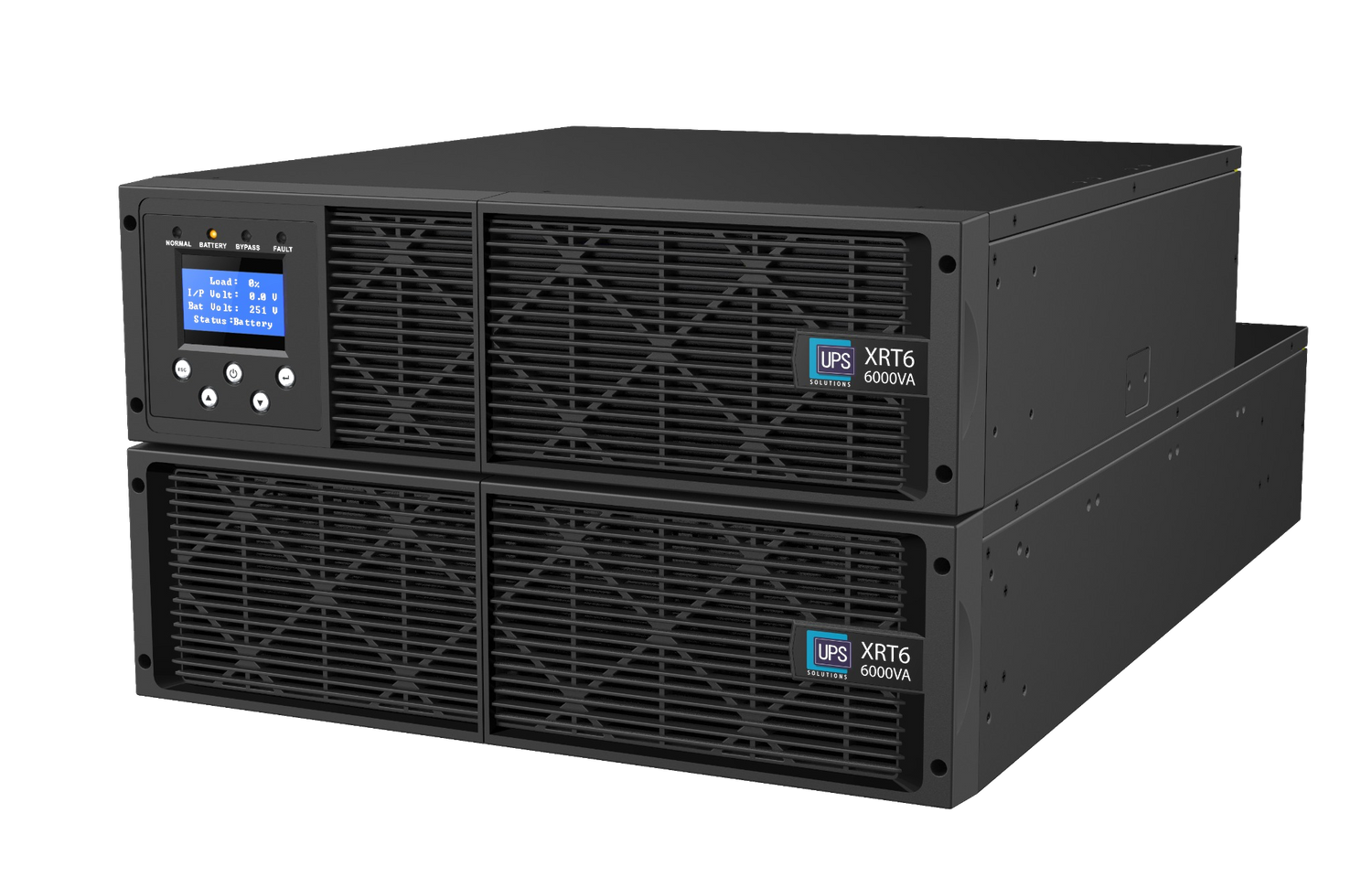
SDA & NDIS Emergency Backup Power Systems


2-Hour Emergency Power Powered By The XRT6 Online UPS Series


 10-Year Design Life Batteries as Standard

 5 Year Warranty on the UPS and Batteries Included

 Designed For SDA & High Physical Support Applications

Reliable Emergency Backup Power for SDA & NDIS Homes

UPS Solutions provides specialised SDA emergency backup power systems designed for NDIS and High Physical Support environments requiring reliable uninterrupted power during outages and critical events.

Built around the XRT6 Online Double-Conversion UPS Series with 10-year design life batteries as standard, these systems support scalable runtime capability for critical assistive equipment including ventilators, emergency alarms, communication systems, and automated door controllers.

SDA 2-Hour Emergency UPS Backup
Emergency Power Requirements
SDA/NDIS 2-Hour Emergency UPS Backup Power Solutions - XRT6

The SDA standard requires a minimum 2-hour emergency backup capability for 2x GPO points within participant bedrooms and automated entry or egress doors during outages.

For High Physical Support SDA applications, online UPS systems are commonly recommended for critical assistive and emergency infrastructure.

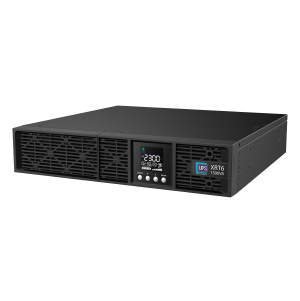
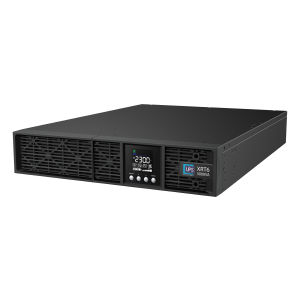
The XRT6 Online UPS Series supports scalable 2-hour SDA emergency backup runtime capability.

Why Emergency Backup Power Is Critical In SDA Housing
Types Of Equipment That May Require Redundant Power

Many SDA and High Physical Support participants rely on critical assistive and medical equipment that may require uninterrupted emergency backup power during outages.

Power outages can affect critical systems including:

  • Ventilator
  • Ceiling hoist
  • Emergency notification alarm
  • Electric bed & door controls
  • Alternating air mattress
  • CPAP device
  • Suctioning equipment
  • Small fridge for medication
  • Communication devices


Air-conditioning is not typically included within the emergency backup design load, however the 2-hour runtime capability provides time for participant support services to arrange alternative care or transport if required.

The XRT6 Online UPS Series provides uninterrupted emergency backup power designed for disability accommodation and High Physical Support environments.

What Is A UPS?
Understanding UPS Systems
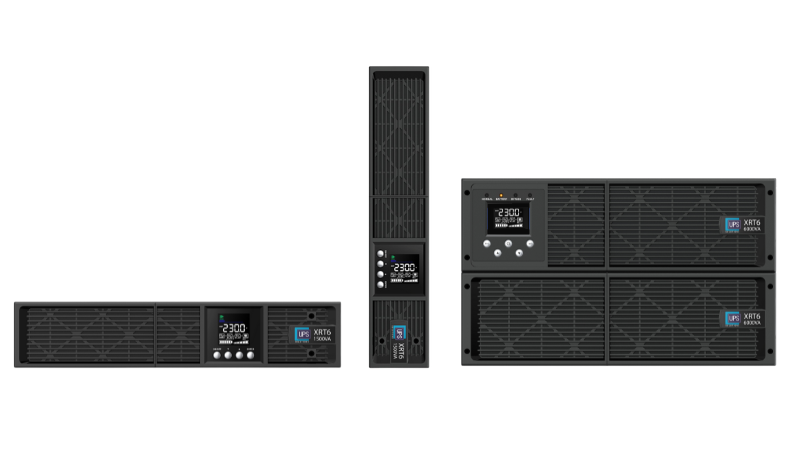
A UPS (Uninterruptible Power Supply) is an emergency backup power system designed to provide uninterrupted power protection for critical equipment during outages and unstable mains conditions.

UPS systems commonly provide:

  • Surge protection against voltage spikes
  • Power filtering to improve power quality
  • Uninterrupted battery-backed power during outages

Choosing The Right UPS Topology

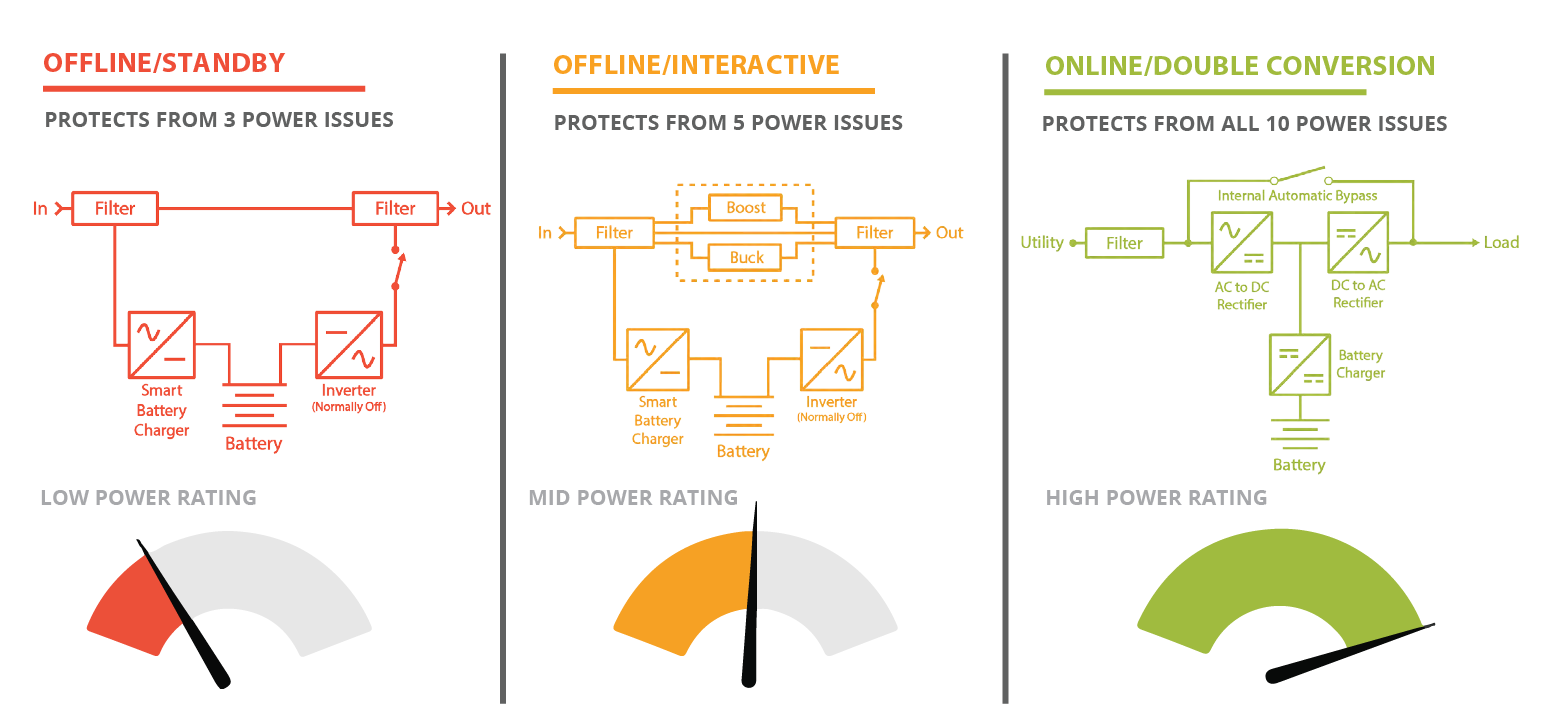
1. Offline/Standby UPS

Typically used for smaller backup power applications with basic surge protection and short battery backup capability.

2. Line-Interactive UPS

Commonly used for small-to-medium business applications requiring improved voltage regulation and enhanced power protection.

3. Online/Double-Conversion UPS

Designed for critical applications requiring uninterrupted power protection, continuous power conditioning, and zero transfer time during outages.

What Makes An SDA UPS System Different?
The SDA Solution
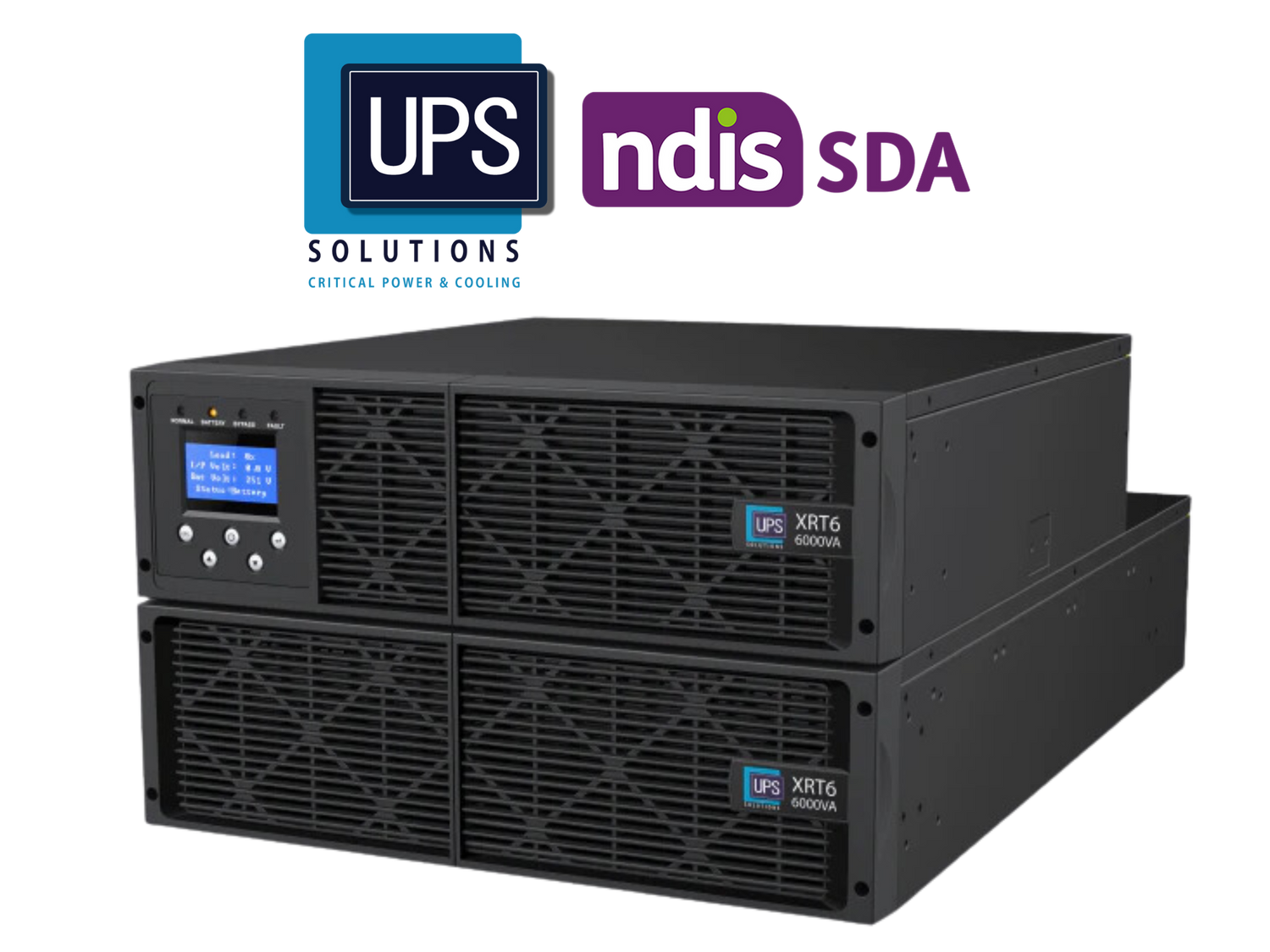
Unlike standard backup power systems, SDA and High Physical Support applications often require:

  • Uninterrupted power delivery
  • Zero transfer time during outages
  • Extended battery runtime capability
  • Surge and voltage protection
  • Compatibility with critical assistive and medical equipment

For these environments, online double-conversion UPS systems are commonly recommended due to their ability to continuously condition incoming power and provide seamless backup operation.

The UPS Solutions XRT6 Online UPS Series is specifically suited to SDA applications requiring reliable emergency backup capability and scalable runtime performance.

SDA Power Issues
High Physical Support Environments

For SDA and High Physical Support environments, it is generally recommended to use an online double-conversion UPS system to protect against common mains power issues including:

  • Blackouts
  • Brownouts
  • Voltage fluctuations
  • Electrical noise
  • Surges and spikes

The XRT6 Online UPS Series continuously conditions incoming power while providing uninterrupted emergency backup during outages.

Picking The Right Size SDA UPS System
Key Considerations for Sizing a UPS System

Selecting the correct SDA UPS system involves more than simply choosing a battery backup unit. SDA and High Physical Support applications often require consideration of runtime, equipment load, surge currents, future scalability, and emergency backup requirements.

The two key considerations are:

  • UPS Rating (kVA/kW)
  • UPS Runtime Requirements


Proper UPS sizing and runtime scalability help ensure reliable emergency backup performance for SDA and High Physical Support applications as support requirements evolve over time.

UPS Rating (kVA/kW)

UPS capacity determines the maximum electrical load the system can safely support during normal operation and power outages.

When sizing an SDA UPS system, considerations may include:

  • Total assistive equipment load
  • Medical equipment requirements
  • Automated doors
  • Lighting circuits
  • In-rush currents from connected equipment
  • Potential misuse of general-purpose outlets (plugging items that may trip the UPS circuit)

What UPS Size Load Should Be Allowed For?

As a general guideline, approximately 1.5kW per participant may be allocated depending on the application and installed equipment. However, the actual load required for each participant should be confirmed after they move in, ensuring all equipment is properly tested.

UPS Runtime Requirements

Runtime determines how long the UPS system can maintain emergency backup power during an outage.

For SDA applications, runtime requirements commonly consider:

  • Required backup duration (2-hours for SDA standard)
  • Connected equipment load (Higher load = More batteries)
  • Scope runtime based on batteries at the end of life (not start of life)
  • Future scalability requirements
  • Constant vs variable equipment loads

Many SDA applications target approximately 2 hours of backup runtime depending on the project requirements.

Why Does Runtime Scalability Matter?

Battery runtime requirements can vary significantly between SDA projects depending on the participant’s support needs and installed equipment. The UPS Solutions XRT6 Online UPS Series supports scalable runtime configurations with extended battery options available for SDA emergency backup applications.

Recommended SDA UPS Installation Architecture
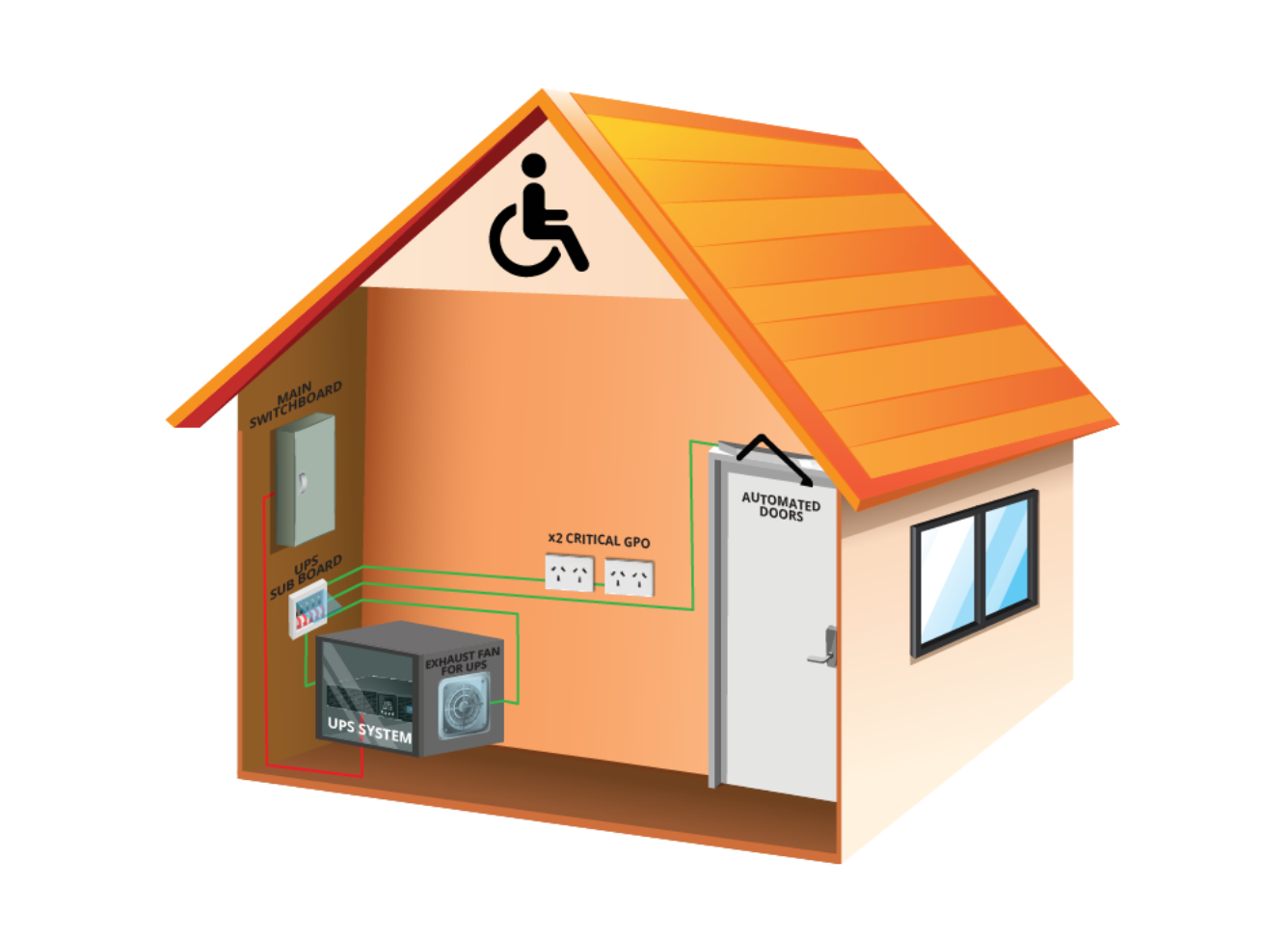
Recommended SDA UPS Installation Architecture
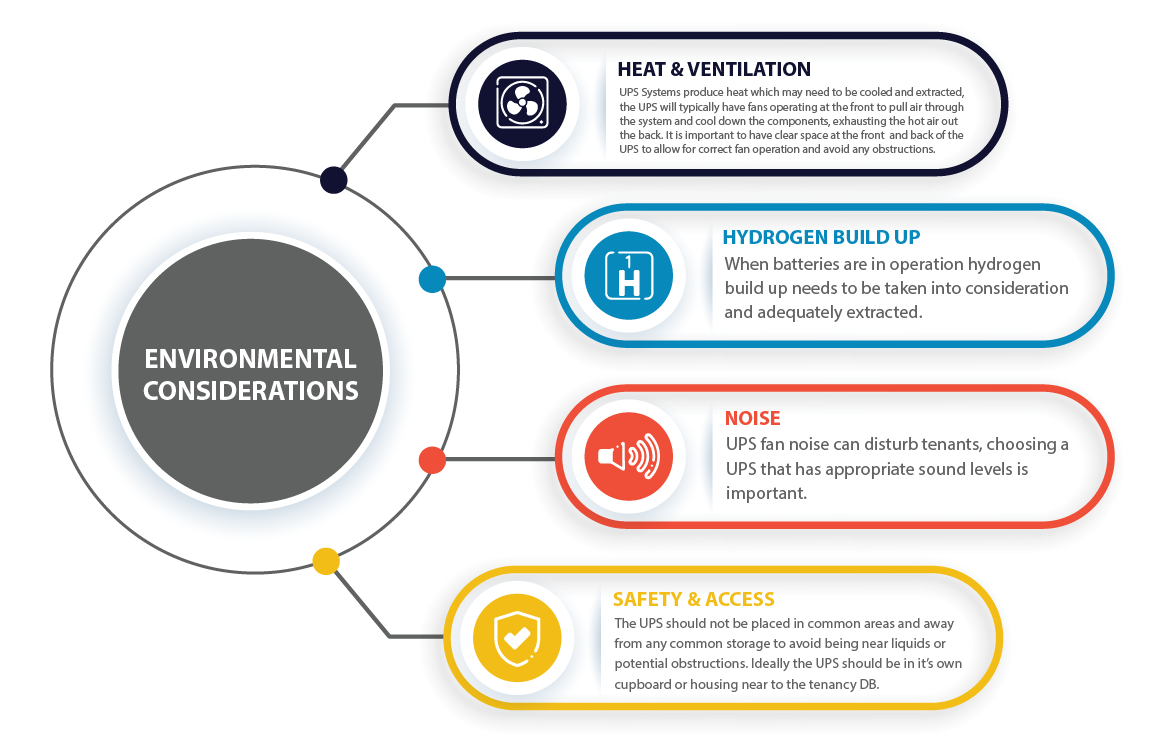
Typical SDA Emergency Backup Power Configuration

SDA emergency backup systems should be designed to support reliable operational continuity while ensuring critical assistive and emergency infrastructure remains clearly separated from standard mains circuits.

Input Feed

  • Dedicated UPS input power supply
  • Clearly labelled UPS isolation and protection
  • Circuit protection sized to project requirements

Output Feed

  • Dedicated UPS-backed sub-board configuration
  • Critical SDA circuits and GPOs only
  • Clearly identified emergency backup outlets and circuits

Bypass Feed

  • Maintenance bypass capability recommended for UPS servicing or failure conditions
  • External bypass panels may be requested during UPS system design
Installing & Commissioning SDA UPS Systems
Essential Guidelines for Effective Setup

Proper installation and commissioning are critical to ensuring reliable emergency backup performance in SDA and High Physical Support environments.

UPS Solutions recommends using experienced UPS installation professionals to:

  • Ensure correct system configuration
  • Avoid hardware damage and warranty issues
  • Verify runtime performance
  • Validate emergency backup operation

Typically, the project electrician prepares the required input and output circuits, while the UPS commissioning technician completes final terminations, testing, and system commissioning.

Environmental Considerations
For SDA UPS Systems

Environmental conditions can significantly affect UPS reliability, battery lifespan, and long-term backup performance.

When designing an SDA UPS installation, considerations may include:

  • Ambient temperature
  • Ventilation and airflow
  • Dust exposure
  • Humidity
  • Installation access
  • Battery cabinet placement

Proper environmental design helps maximise UPS reliability and battery service life in critical SDA applications.

UPS Maintenance & Lifecycle Management
Recommended Professional Servicing
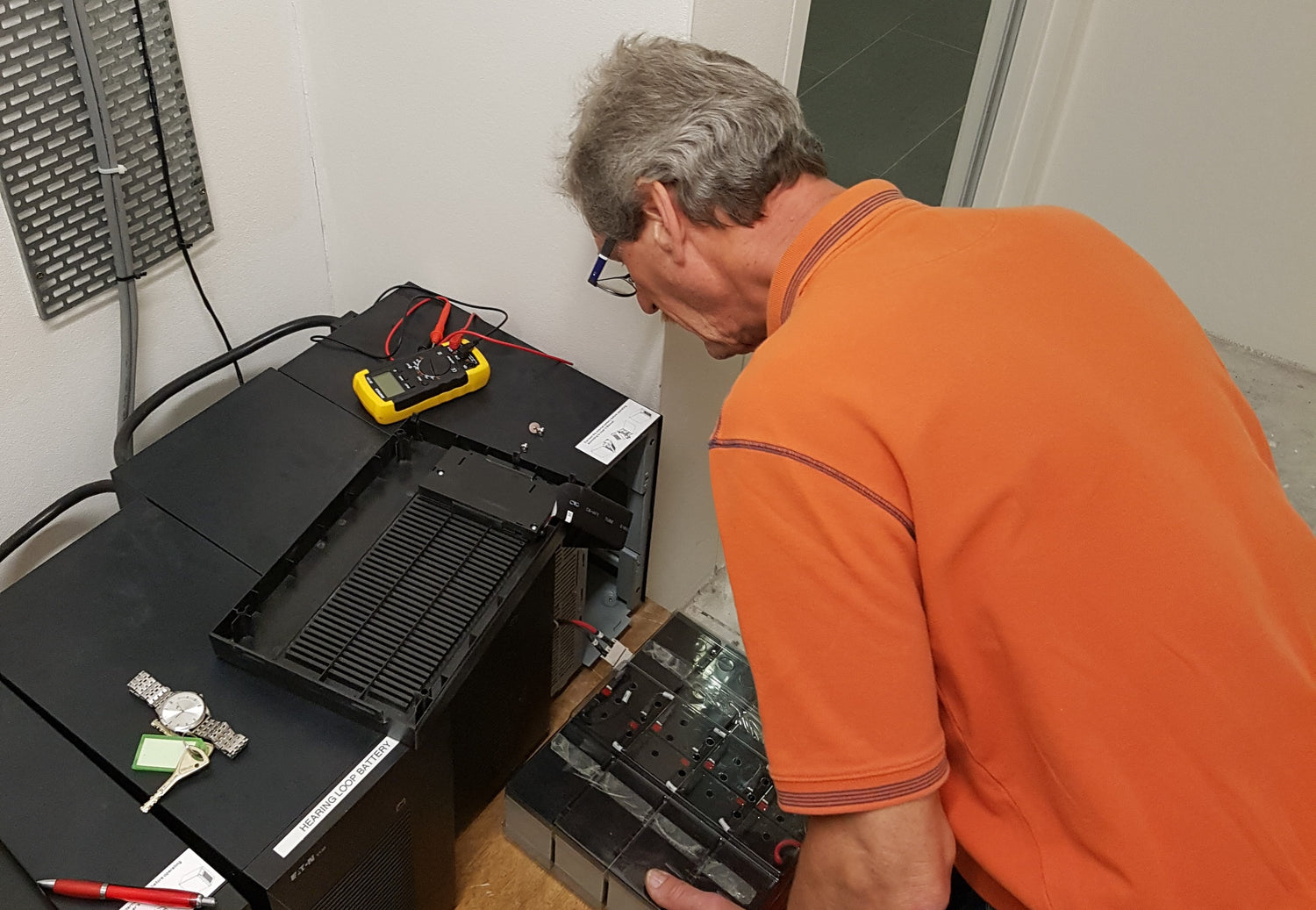
SDA emergency backup systems require ongoing maintenance and lifecycle planning to ensure reliable operation during outages and emergency events.

Proper servicing, battery management, and proactive monitoring all contribute to long-term UPS reliability and operational continuity in High Physical Support environments.

Ensure servicing is done by a specialist familiar with the system, who can perform necessary UPS tests and maintenance tasks.

General Service Considerations

Service Frequency

UPS systems should generally be serviced every 6–12 months depending on environmental conditions, usage patterns, and local power quality. Increased servicing frequency may be recommended in dusty or high-temperature environments.

Battery Lifecycle

UPS batteries are a critical component of emergency backup performance and one of the most common failure points in poorly maintained systems. Battery temperature, usage patterns, and runtime demands can significantly affect battery lifespan.

UPS Lifespan

Most UPS systems have an expected internal component design life of approximately 10 years. Lifecycle planning helps minimise reliability risks associated with ageing infrastructure and battery degradation.

Why Battery Design Life Matters
Long-Life Batteries Improve SDA Reliability & Reduce Lifecycle Costs


UPS batteries are one of the most common failure points in emergency backup systems. Many standard UPS systems use 5-year design life batteries that may require replacement significantly earlier depending on operating conditions and environmental factors.

The UPS Solutions XRT6 Online UPS Series includes 10-year design life batteries as standard, helping improve long-term reliability while reducing maintenance requirements for critical SDA emergency backup infrastructure.

Battery Systems: Standard vs XRT6

Standard UPS Battery Systems

  • Typically use 5-year design life batteries
  • More frequent replacement cycles
  • Higher long-term maintenance costs
  • Greater lifecycle management requirements

XRT6 Long-Life Battery Systems

10-year design life batteries as standard
Reduced replacement frequency
Improved long-term reliability
Reduced maintenance disruption in SDA environments

UPS Lifecycle Planning
Life Expectancy
  1. Typical internal UPS component design life is approximately 10 years depending on environmental conditions and maintenance practices.
  2. Proactive lifecycle planning helps minimise reliability risks associated with ageing infrastructure and battery degradation.
  3. SDA emergency backup systems should be regularly reviewed to ensure ongoing runtime capability and operational reliability.
  4. Replacement Schedule: Proactive replacement planning should be considered around the 6–7 year mark to help maintain long-term operational reliability.


The XRT6 Online UPS Series is designed to support long-term SDA emergency backup reliability with scalable runtime capability and 10-year design life battery systems.

UPS Monitoring & Remote Alerts
Network-Based Monitoring For SDA Emergency Backup Systems
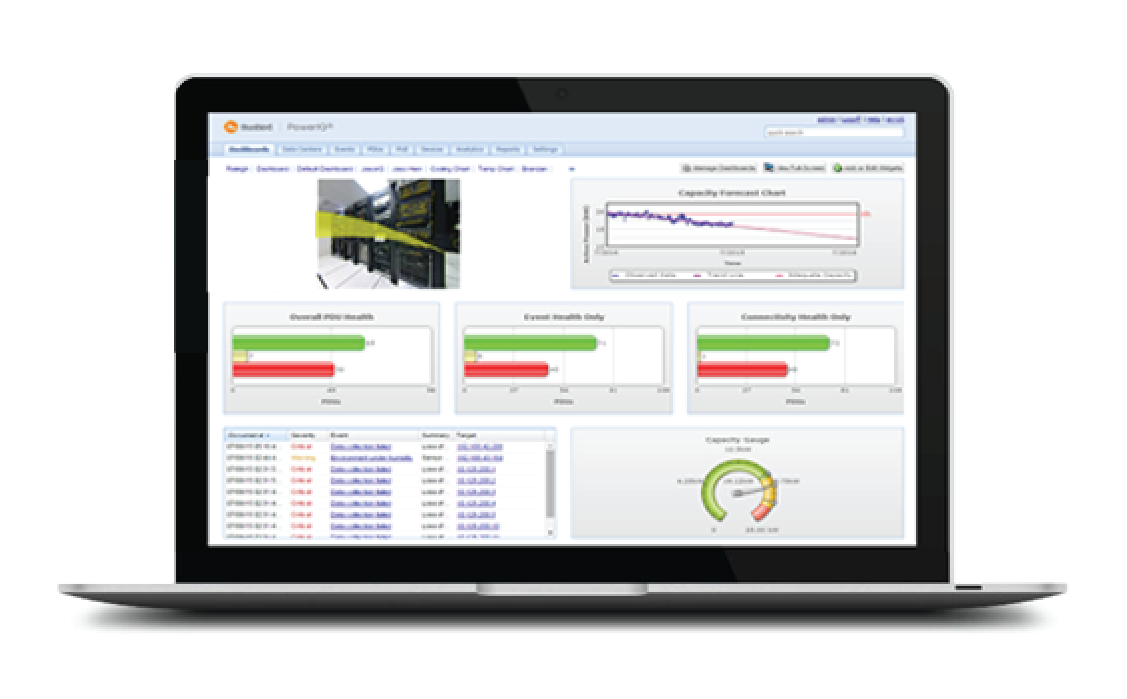
Modern SDA emergency backup systems should support network-based monitoring, real-time UPS visibility, and automated fault alerting to help maintain operational continuity during outages and critical events.

The XRT6 Online UPS Series supports remote monitoring functionality with automated email and SMS alert integration, helping SDA providers and facility managers proactively monitor emergency backup infrastructure performance.

Proactive Monitoring For Critical SDA Infrastructure

Monitoring Capabilities

  • Real-time UPS status visibility
  • Remote network monitoring
  • Battery and runtime monitoring
  • Preventative maintenance insights
  • Event and fault logging

Automated Alerting

  • Email fault notifications
  • SMS alert integration
  • Critical alarm escalation
  • Early warning notifications
  • Improved maintenance response times
Why UPS Solutions Recommends The XRT6 Series
Proven SDA Emergency Backup Platform Solution

Based on SDA and High Physical Support project requirements, the UPS Solutions XRT6 Online UPS Series has proven highly suited to emergency backup applications requiring:

  • Online double-conversion topology
  • Scalable runtime capability
  • Long-life battery systems
  • Remote monitoring functionality
  • Reliable uninterrupted backup performance

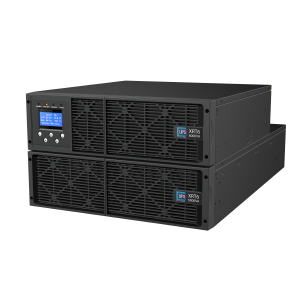
The most commonly recommended SDA configuration is the XRT6 6kVA Online UPS with scalable extended runtime capability.

Why The XRT6 Series Is The Preferred SDA Solution

✓ Proven SDA Performance

The XRT6 Series has been successfully deployed across multiple SDA and High Physical Support emergency backup applications.

✓ Long-Life Battery Systems

10-year design life batteries and scalable runtime configurations help support long-term SDA operational reliability.

✓ SDA Configuration

The most commonly recommended SDA configuration is the XRT6 6kVA Online UPS with extended battery runtime capability.

SDA Emergency Backup Power Specialists
Supporting SDA Providers, Local Governments, and Industry Experts Across Australia


UPS Solutions drafted this blog on behalf of SDA Consulting and are a government accredited specialist provider of UPS systems and UPS field services across Australia.

To discuss your project and request a quote for a new UPS we can be contacted on 1300 555 992, send us an email at sales@upss.com.au or click below to fill out our form.

SDA & High Physical Support Applications

Designed for disability accommodation and critical emergency backup environments.

Australia-Wide UPS Solutions & Field Services

Supporting SDA emergency backup projects across metropolitan and regional Australia.

XRT6 Online UPS Specialists

Specialising in online double-conversion UPS systems with scalable runtime capability and long-life battery systems.

Frequently Asked Questions

What UPS systems are suitable for SDA applications?

Online double-conversion UPS systems with scalable runtime capability are commonly recommended for SDA and High Physical Support applications. The XRT6 Online UPS Series is specifically suited to SDA emergency backup environments requiring uninterrupted power performance.

What is the most commonly recommended SDA UPS configuration?

The most commonly recommended SDA configuration is the XRT6 6kVA Online UPS with scalable extended runtime capability depending on project requirements, participant needs, and connected equipment loads.

Why is online double-conversion UPS important for SDA environments?

Online double-conversion UPS systems provide continuous conditioned power with zero transfer time during outages, helping protect sensitive assistive and medical equipment from interruptions and power disturbances.

What equipment may require UPS backup power in SDA housing?

Equipment may include ventilators, communication systems, automated doors, ceiling hoists, CPAP devices, emergency alarms, medical refrigeration, and other assistive technologies.

Why are 10-year design life batteries important?

Long-life battery systems can help reduce maintenance requirements, replacement frequency, and operational disruption in SDA emergency backup environments while supporting long-term reliability.

Can UPS systems be remotely monitored?

Yes. Modern SDA UPS systems commonly support remote monitoring, real-time status visibility, automated alerts, and preventative maintenance monitoring through network-based management systems.

Contact UPS Solutions

For UPS systems there is design and engineering that will need to be done so it is best to book a site inspection or enquire directly with our team by filling out the form, emailing sales@upss.com.au or calling 1300 555 992.